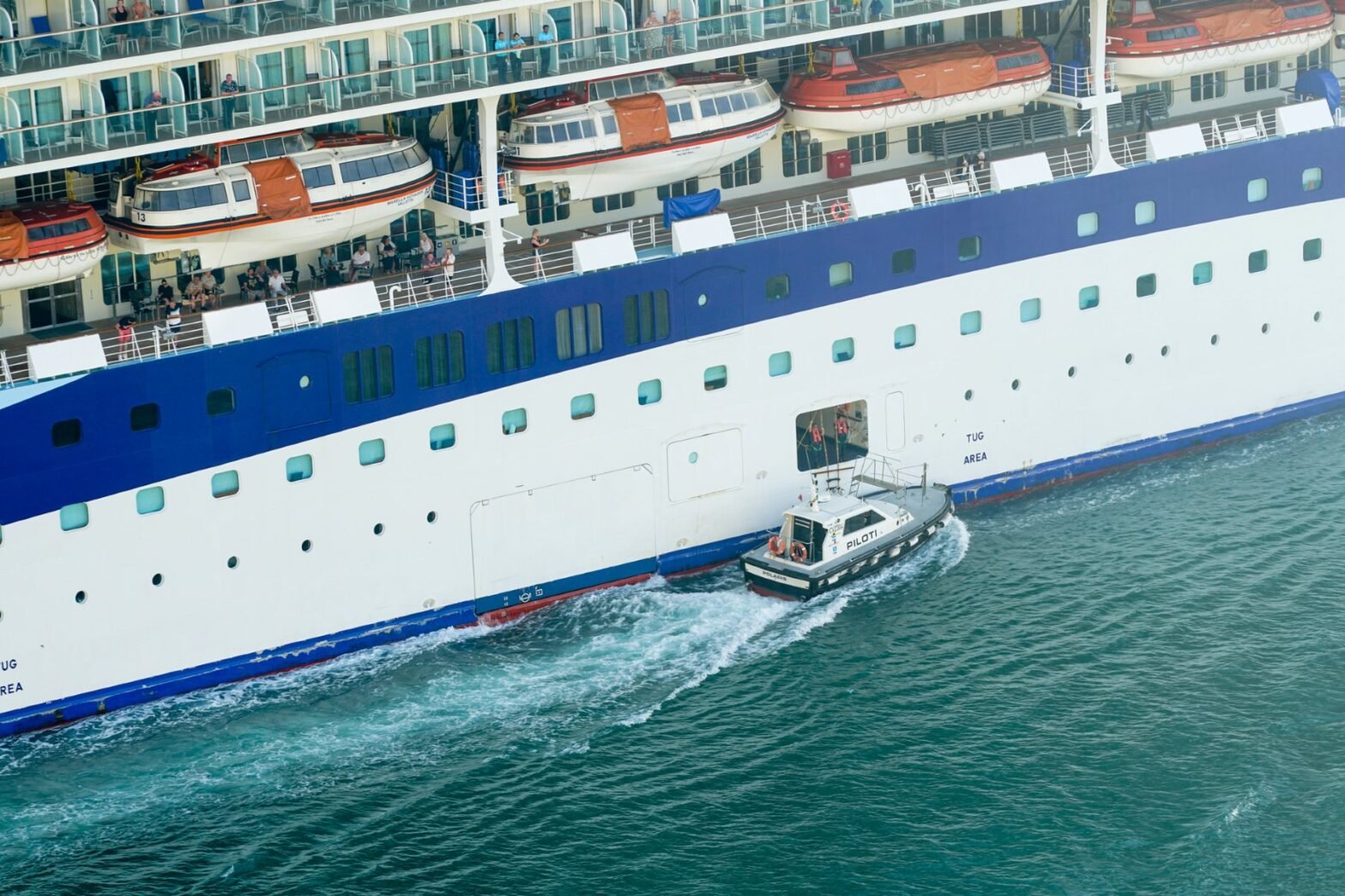
The U.S. Coast Guard suspended its search for a 72-year-old British woman who disappeared from the Marella Voyager during a transatlantic crossing. In a statement provided to Global News, the agency said the ship reported her missing at approximately 7:33 p.m. on November 10. Crew members found her cabin and bed untouched during routine service. According to the Coast Guard, the last confirmed electronic record associated with the passenger was a cabin-door access event around midday on November 9. The agency coordinated with rescue authorities in the Azores and the United Kingdom and issued urgent alerts to nearby vessels.
Officials suspended active efforts at 3:47 p.m. on November 11, citing the delay in notification, the remote search area, sea conditions, limited rescue resources, and a low likelihood of survival. The ship left Málaga, Spain, on November 4 on a Caribbean-bound voyage, The Independent reported. Marella Cruises told the outlet it was assisting authorities but would not comment further out of respect for the passenger and her family. Authorities have not confirmed that she went overboard.
How Do Cruise Ships Detect A Passenger Overboard?
Cruise lines can learn of a possible overboard incident through eyewitnesses, security footage, or an automatic detection system if one is installed. A passenger reported missing does not necessarily mean a fall occurred. Crew members must establish when the person was last accounted for and examine available evidence.
In the Marella Voyager case, routine cabin service prompted the alert. Per the Coast Guard’s statement, staff initiated the ship’s missing-person procedures after discovering the woman was unaccounted for. The cabin-door record did not establish what happened afterward.
Some operators have adopted technology that recognizes potential falls and alerts the bridge. Zelim’s ZOE system, installed aboard Ambassador Cruise Line’s Ambition, received certification under the ISO 21195 standard in April 2026 following onboard testing. Unlike ordinary cameras, these systems can trigger alerts. Authorities have not said that an automatic overboard alert occurred aboard Marella Voyager.
What Happens When A Cruise Passenger Is Reported Missing?
Once a passenger is unaccounted for, crew members search the ship, check available passenger records, and contact relevant authorities. They may review cameras and cabin access logs. Passenger head counts can help establish whether someone remains aboard. The Cruise Lines International Association maintains policies on reporting missing passengers and serious incidents.
Marella Cruises told The Independent, “As soon as the alarm was raised, the crew carried out a full search of the ship, and we contacted the relevant authorities straight away.” The outlet also reported that passengers were instructed to gather so crew members could scan their boarding cards.
When a fall is witnessed, maritime guidance calls for a faster response. The International Maritime Organization’s search-and-rescue manual instructs crews to mark the ship’s position, throw a life ring toward the person, alert the bridge, and prepare a recovery maneuver. Officials have not confirmed these actions occurred in this case.
For the Marella Voyager search, the Coast Guard worked with rescue coordination centers in the Azores and the United Kingdom and alerted nearby vessels. By the time authorities received the report, the ship was about 500 nautical miles from where the woman was believed to have entered the water. The Coast Guard said the vessel lacked sufficient fuel to return to that area.
What Safety Measures Protect Cruise Passengers From Going Overboard?
Cruise ships use guardrails, life jackets, crew training, emergency drills, and rescue equipment. International Safety of Life at Sea rules address lifesaving appliances and procedures for recovering people from the water. The International Maritime Organization also requires ships to plan how they will bring someone safely back aboard after a fall.
In the United States, the Cruise Vessel Security and Safety Act requires qualifying ships to have railings at least 42 inches above cabin decks. The law applies to passenger vessels authorized to carry at least 250 passengers, with overnight accommodations for at least 250 passengers, on voyages that embark or disembark passengers in the United States. Marella Voyager’s reported Málaga-to-Caribbean itinerary did not include a U.S. port, so those requirements should not be assumed to govern this sailing.
The U.S. law also addresses technology for capturing images or detecting passengers who fall overboard, where available. However, the Coast Guard says it is not currently enforcing that provision while it awaits implementing regulations and policy guidance. Not every ship has automatic detection. In explaining its decision to suspend the search, the Coast Guard specifically cited the delay between the woman’s last known contact and the report to rescue authorities. The precise location of any possible fall remains unconfirmed.